Small Course Corrections: How to Adjust a Neighborhood Walk When the Coast or Trail Shifts
Problem
On a habitual route — a shoreline path you know by heart or a familiar connector through town — something changes. The beach narrows at mid-tide, a sudden gust makes a headland exposed and unpleasant, or a footpath becomes a river of mud after rain. These are small disruptions but they interrupt rhythm, create doubt, and sometimes push you into unsafe choices: climbing slippery slopes, shortcutting through private property, or turning back when you didn’t want to.
Most walkers don’t need dramatic rescue skills; they need a straightforward way to decide what to do next. The core problem is how to make quick, low-risk adjustments that keep the walk enjoyable and manageable without overplanning every contingency.
Principles
- Observe first, decide second. Pause for 15–60 seconds to take in the scene: tide line, wind direction, footing, and people flow. A calm assessment avoids needless haste.
- Favor small, reversible choices. Pick options you can undo easily — step up to a service path, walk an extra 200 meters inland, or remove a layer — rather than committing to a long detour or risky scramble.
- Match effort to payoff. Don’t expend a lot of energy to save a few minutes. If an obstacle would cost more time or stress than a polite turn-around or short detour, choose the simpler route.
- Use layered preparations. Carry lightweight tools for common adjustments: a thin waterproof layer, gaiters, a small map or smartphone with GPS, and a compact headlamp if you may be delayed.
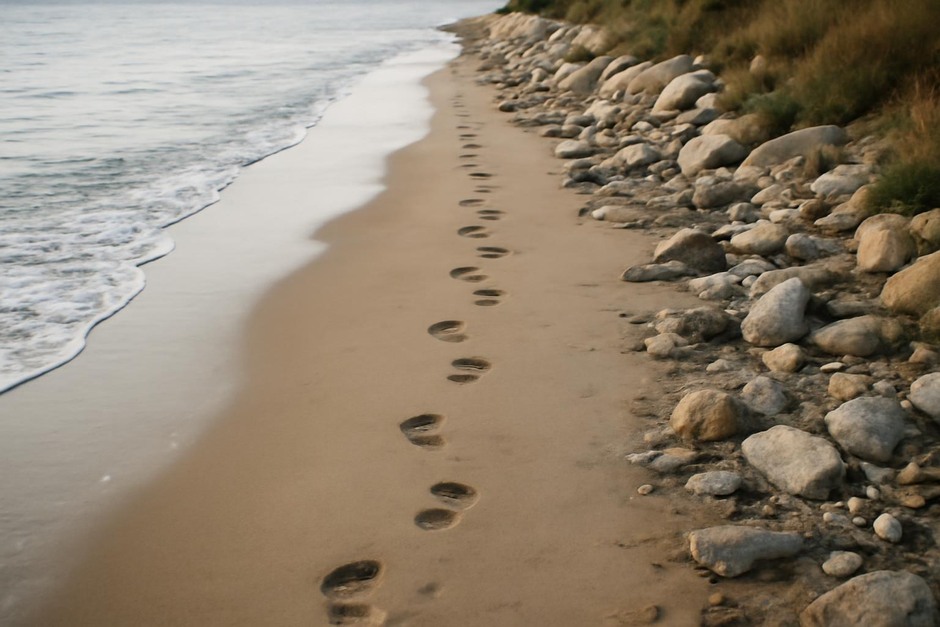
- Respect local signals. Look for tide marks, recent footprints, signage, and worn vegetation. These cues often tell you what has been safe for others in similar conditions.
- Keep the pace conversational. If you’re with others, slow the pace to allow decisions to be discussed without pressure. If alone, give yourself permission to pause and reflect.
Examples
1. The Mid-Tide Narrowing
Problem: You planned to walk the sandy shore but arrive at a pinch where the tide has closed the beach against cliffs for 200 meters.
Apply the principles:
- Observe: Note the tide line and whether waves are spilling over the narrow section. If footprints show others passed recently, check spacing and timing.
- Small, reversible choice: Walk the coastal path above the beach if one exists; if not, step up to the nearest access point and walk inland along a field edge or service road for the short stretch.
- Match effort to payoff: If the detour adds ten minutes and avoids a risky squeeze with surf, it’s worth it. If the beach reopens in 100 meters and conditions look calm, a brief wait may be simpler.
2. The Blustery Headland
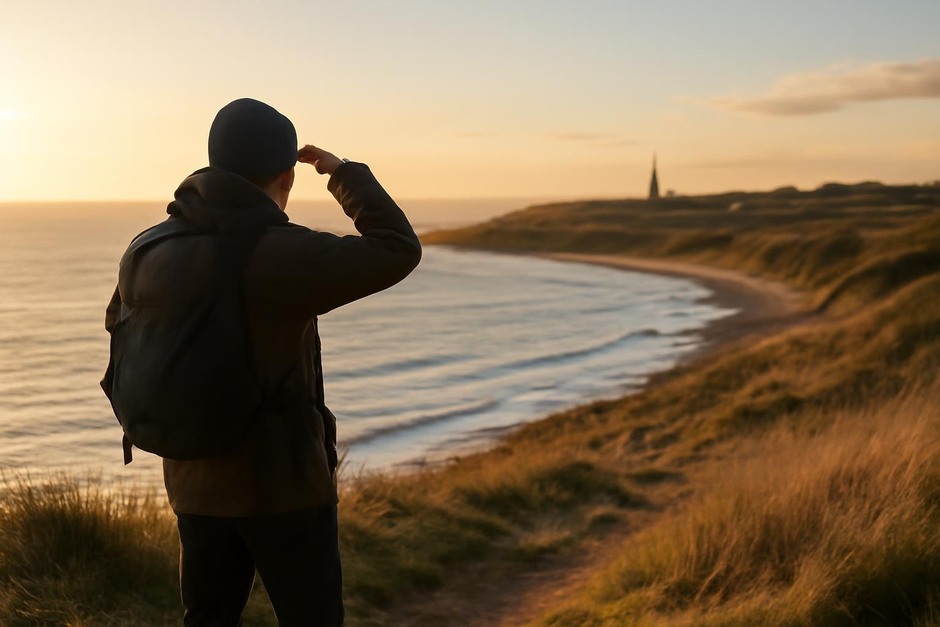
Problem: A headland that normally offers views becomes a corridor of unrelenting wind, making the exposed walk unpleasant and slow.
Apply the principles:
- Observe: Check wind direction and how it affects walking — are you being pushed sideways, or are gusts making footing uncertain?
- Small, reversible choice: Take the lower, sheltered route if available (rocky lee of the headland, a coastal road a bit inland) or adjust clothing, fastening hoods and tightening layers to reduce wind chill.
- Layered prep: A compact windbreaker makes these adjustments trivial; consider shortening the route slightly rather than fighting the wind for a distant viewpoint.
3. The Muddy Connector
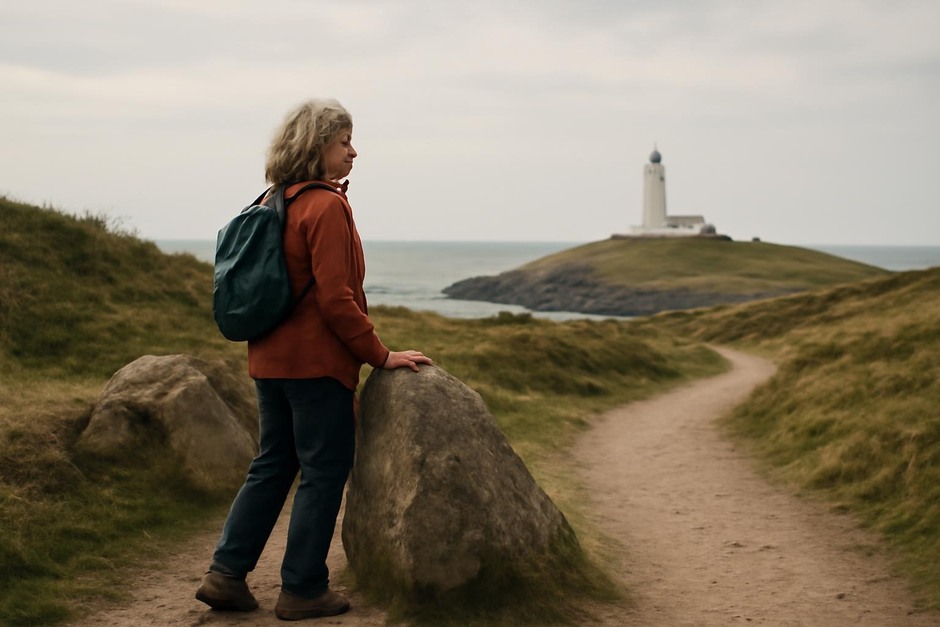
Problem: The usual cutting path through a copse has become a churned, slippery channel after recent rain.
Apply the principles:
- Observe: Look for alternate bootprints that show solid ground, or check the edge of the path for firmer footing.
- Small, reversible choice: Skirt along the path edge where grass or roots offer traction, or take the longer but drier road for a short stretch.
- Match effort to payoff: If detouring costs little time and keeps you clean and confident, choose it. If you’re aiming for training and want challenge, accept the mud but slow your pace and watch your step.
Practice Checklist
- Before you set out: check a quick tidal or weather cue for your area and pack one lightweight adjustment item (windbreaker or thin waterproof).
- On approach to any obstacle: stop 15–60 seconds and scan for tide lines, recent footprints, signs, and sheltered options.
- Choose a small, reversible adjustment first (edge around an obstacle, short inland detour, temporary pause).
- Keep a conversational pace with companions; if alone, give yourself permission to pause and change plans.
- If conditions look marginal or unsafe, prefer the easier, lower-risk option and record what you learned for next time.
These small course corrections are not about mastering the map or predicting every turn of weather. They’re about a few clear principles and tiny, sensible choices that preserve the pleasure of a walk. Over time, this approach builds confidence: you notice more, decide better, and return home with the same path feeling a little more familiar and a little safer.